A medical courier transports home medical equipment, prescriptions, laboratory specimens, or healthcare supplies. The work may take you from a warehouse to a patient’s home or from a clinic to a laboratory. What you carry determines the vehicle, training, and documentation you’ll need.
If you’re interested in contracting, start by identifying the routes that fit your vehicle, location, and availability. Then review the specific opportunity for its insurance, screening, and training requirements.
What does a medical courier do?
Medical couriers follow pickup and delivery instructions, document each handoff, and communicate with dispatch when an order changes or a delivery cannot be completed. The work varies by assignment.
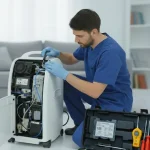
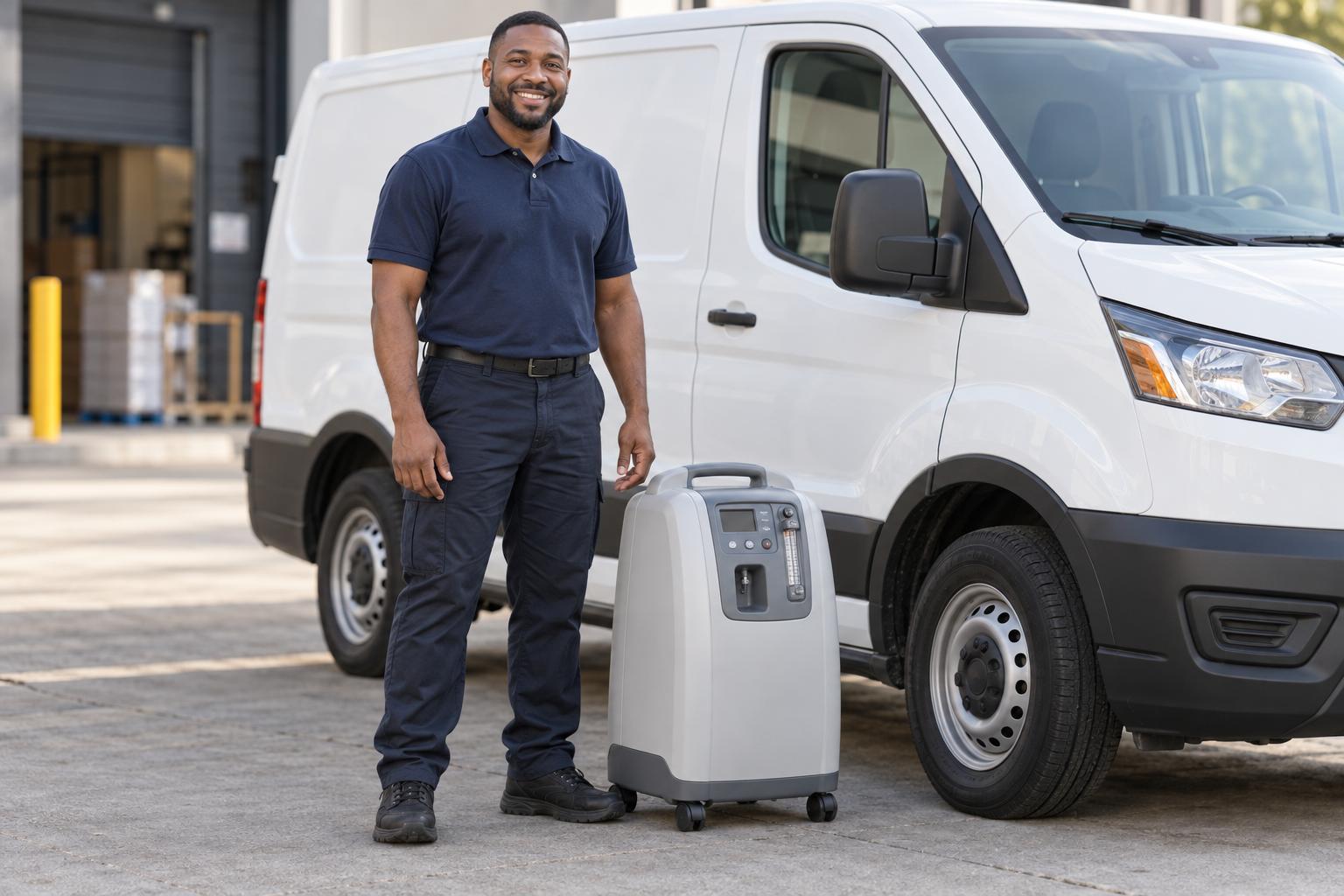
- Home medical equipment (HME) delivery. Transport equipment such as wheelchairs and other mobility aids to patients’ homes. Depending on the route, you may coordinate arrival with patients or caregivers and move bulky equipment using the required handling tools.
- Equipment recovery. Pick up equipment when the provider authorizes its return. Confirm you have the correct item and document where you returned it.
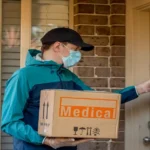
- Pharmacy delivery. Transport medications to designated homes or facilities. Follow the route’s instructions for delivery confirmation, recipient verification, and handling.
- Laboratory courier services. Collect packaged specimens from designated locations and deliver them to the receiving laboratory. Follow the route’s instructions for timing, handling, and handoff records.
Medical courier requirements
Use this checklist to prepare for a courier opportunity. The specific posting or contract determines which items apply.
- Driver’s license and driving history. Have a current driver’s license appropriate for the vehicle. Be prepared to provide a motor vehicle record if the opportunity calls for one.
- Reliable vehicle and current registration. Match your vehicle to the route. Some HME assignments may call for a cargo van, Sprinter-style van, or box truck, depending on the equipment and load.
- Insurance documentation. Confirm which coverage and limits the contract requires. Ask your insurer whether your policy covers paid courier work in the vehicle you plan to use.
- Route availability. Check the service area, days, pickup times, and delivery windows. Confirm whether the assignment follows a recurring schedule or involves on-demand or backup coverage.
- Screening and onboarding. Be ready to complete any required background check, drug screening, or route-specific onboarding.
- Safe equipment handling. For HME routes, review the lifting, loading, and unloading expectations. Ask what handling tools the assignment requires and who provides them.
- A way to receive and document assignments. Confirm whether the route uses a mobile app for dispatch, tracking, signatures, or proof of delivery and whether it requires a compatible smartphone.
Medical courier certifications and training
Training depends on the materials you carry, the tasks you perform, and the client’s requirements. Before paying for a course, check whether the opportunity requires it, which training providers it accepts, and what onboarding covers.
- Patient privacy and HIPAA awareness. A client may require training on protecting patient information in delivery labels, signatures, and route apps. Confirm which course or onboarding module the client accepts. HHS guidance on couriers and the HIPAA Privacy Rule. HHS.gov
- Bloodborne pathogens training. OSHA requires covered employers to train employees whose work involves occupational exposure to blood or other potentially infectious materials. If you’re considering a specimen route, ask what exposure-control training applies to the assignment and how to report a damaged package or suspected exposure. OSHA’s Bloodborne Pathogens Standard. Occupational Safety and Health Administration
- DOT hazardous materials training. If an assignment involves regulated materials, the applicable training depends on the shipment and your role. For example, DOT requires people transporting Category B infectious substances under 49 CFR § 173.199 to know the requirements of that section. Confirm the training required for your route before accepting it. U.S. DOT guidance on Category B infectious substances. PHMSA
- Client and route onboarding. An assignment may require training on proof of delivery, temperature monitoring, chain-of-custody records, or equipment handling. Ask how to report a missed pickup, an unavailable recipient, or a discrepancy in the delivery record.
How to prepare for an independent courier opportunity
- Identify the work that fits your vehicle. Note the vehicle type, usable cargo space, and any handling equipment you have. A route delivering bulky home medical equipment will have different needs from one carrying small packages.
- Gather your documents. Have your driver’s license, vehicle registration, proof of insurance, and any relevant training records ready. Check the opportunity for business or tax documents requested during onboarding.
- Review the route and contract terms. Confirm the service area, expected availability, compensation, and expenses you’re responsible for, such as fuel, tolls, or vehicle maintenance.
- Share relevant experience. Include examples from delivery, customer service, or field work that show you can manage scheduled stops, communicate delays, handle items carefully, and document each handoff.
- Complete the required onboarding. Confirm which screenings and training apply, then learn how the route handles dispatch updates, unsuccessful deliveries, and returns before taking your first assignment.
The right medical courier opportunity fits your vehicle, schedule, and the type of work you’re prepared to take on. Whether you’re delivering a wheelchair to a patient’s home or returning equipment to a provider, every stop depends on careful handling, clear communication, and accurate documentation.